


Resources

Connecting a farm
Will Bowden, a fifth-generation farmer in Tasmania, leveraged irrigation and digital tools to remotely control 17 pivots, pumps, and reservoirs, reducing downtime and improving water management.
Case Studies
Name
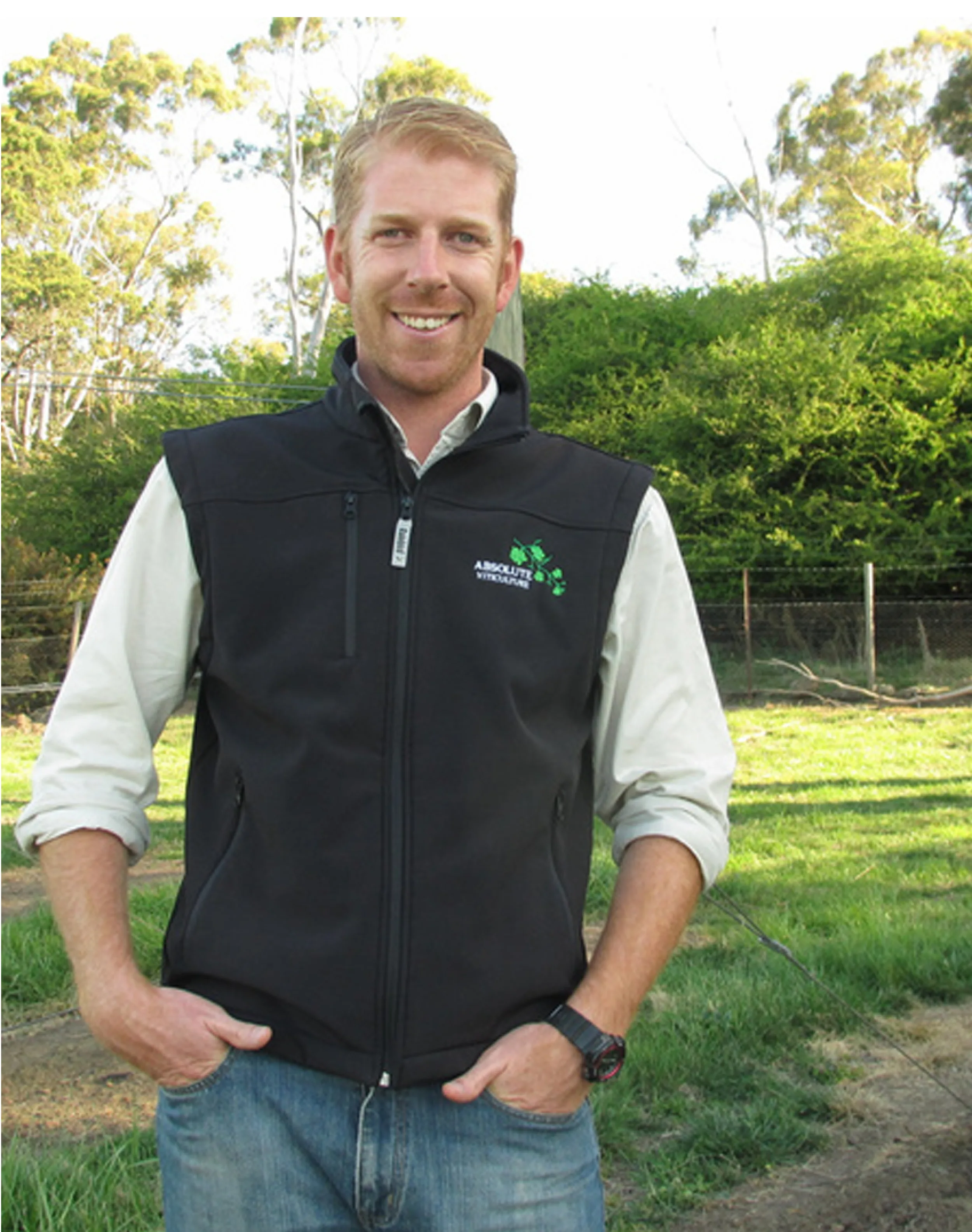
Marty Smith - Absolute Viticulture
Location
Cranbrook Tasmania
Marty Smith, owner of a 6 ha vineyard at Cranbrook and manager of 100 ha across other sites, trialled drone spraying in spring 2024 to avoid soil compaction from ground rigs during wet early-season conditions. Partnering with commercial drone operator Fergus McEwan Foulds of SkyApply, the project used an XAg P100 spraying drone and a DJI Mavic 3 multispectral drone for mapping and imagery. This approach provided faster spraying, flexibility in flight paths, and the ability to operate in ideal weather windows.
*This project was delivered by the Tasmanian Agricultural Productivity Group (TAPG) and supported through funding from the Strategic Industry partnership Program (SIPP).
Spraying rate increased from 1 ha/hour (ground rig) to 6 ha/hour (drone).
Allowed early-season spraying without risk of soil damage.
Greater flexibility in spray path to suit wind direction and terrain.
Freed vineyard staff for other operational priorities.
Enabled spraying in short windows of ideal weather conditions.
Drone spraying costs are comparable per hectare to ground rig spraying, including the one-off pre-spray mapping cost (not required in subsequent years for permanent vineyard sites).
Benefits:
XAG provides hardware and software solutions that integrate advanced robotic, IOT and AI driven technologies. They provide drones with spreading and spraying packages.
$15,000 - $28,600 AUD + (depending on model + package integrations).
Develop drone camera systems to capture professional imagery.
$599 - $3099 depending on the model.