



Name
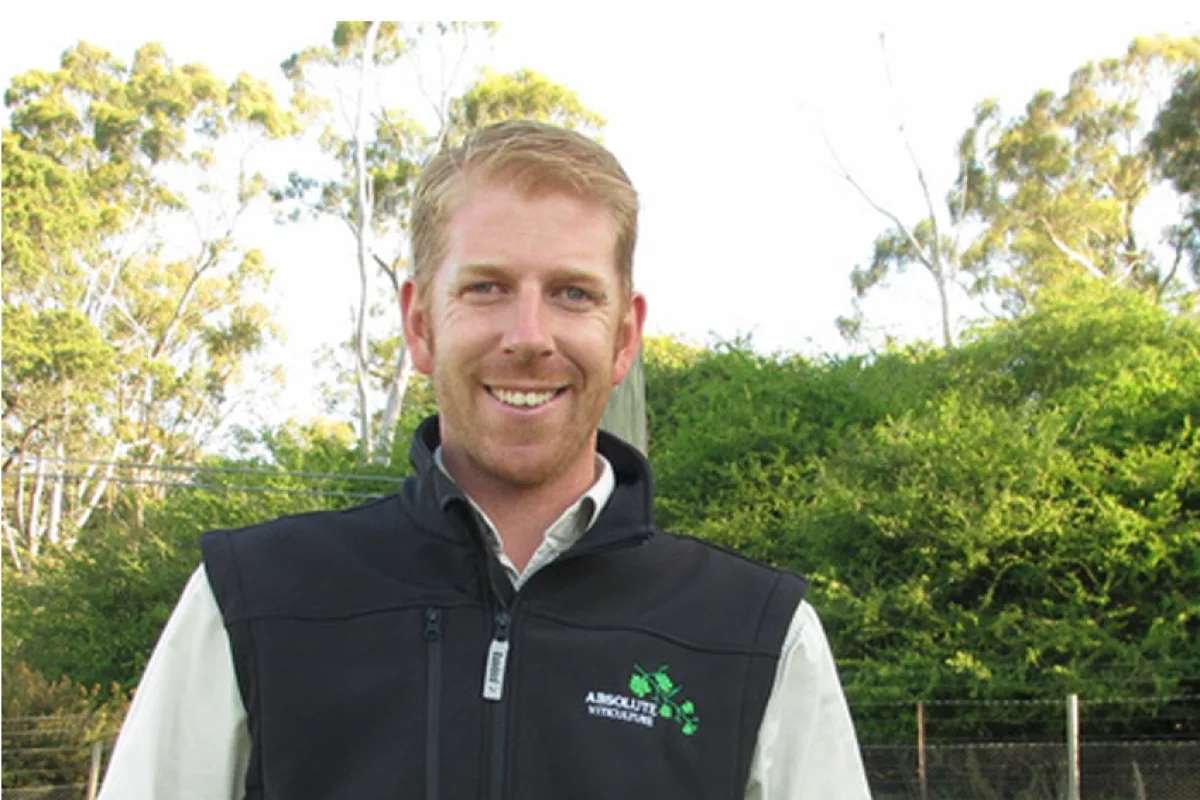
Matt Pooley - Pooley Wines

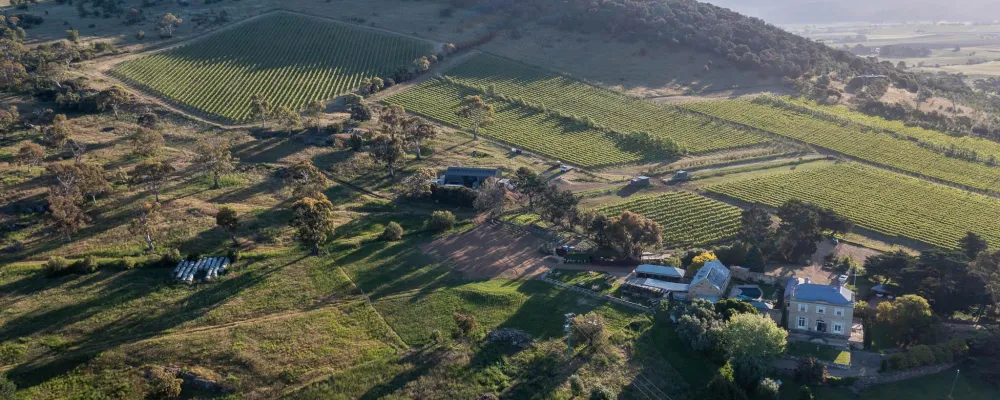
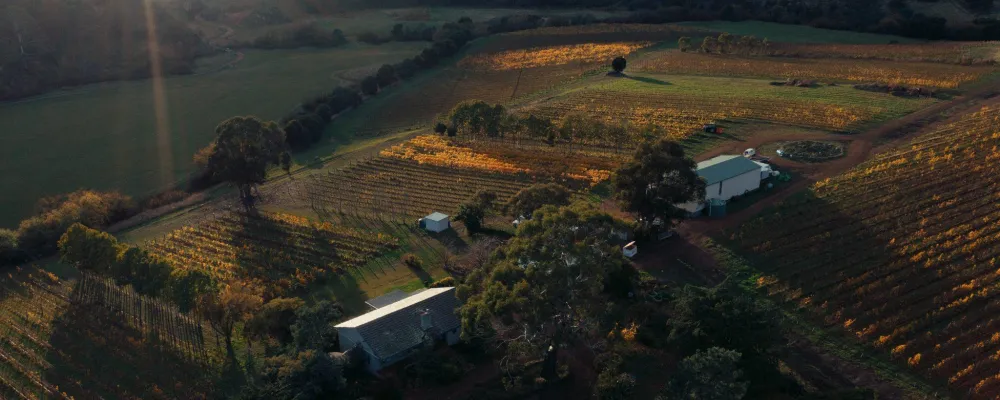
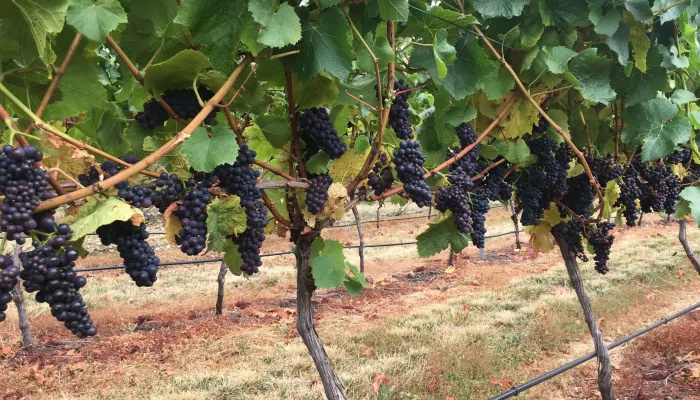
Pooley Wines operates two vineyards—Cooinda Vale and Butchers Hill—in Tasmania’s Coal River Valley. Each site presents unique environmental challenges. Matthew Pooley, a sustainability advocate and Nuffield Scholar, integrates technology and industry standards to reduce environmental impact and ensure traceability across supply chains. 

Pooley Wine logo

What was the challenge?

  • Accounting and managing environmental footprint to access broader markets and achieve sustainability credentials.
  • Balancing regional weather variability, sustainability and quality fruit production across two different vineyard locations 20 km apart.
  • Cooinda Vale: Low moisture retention and requires careful irrigation to avoid leaching. The vines need to be pushed for better fruit yields.
  • Butchers Hill: Steeper but dolerite soil has good soil moisture retention. The vines need to be tamed to reduce vegetation. 


Pooley Wine1
Pooley Cooinda Vale

What was the process?

  • Initial due diligence gathering local knowledge of the vineyard sites. This included analysing the soils and benchmarking microbial activity in the vineyard and the native pastures through soil lab testing.
  • Trial, error in trailing technology solutions to find what best suited the unique soil contexts of each vineyard location.  
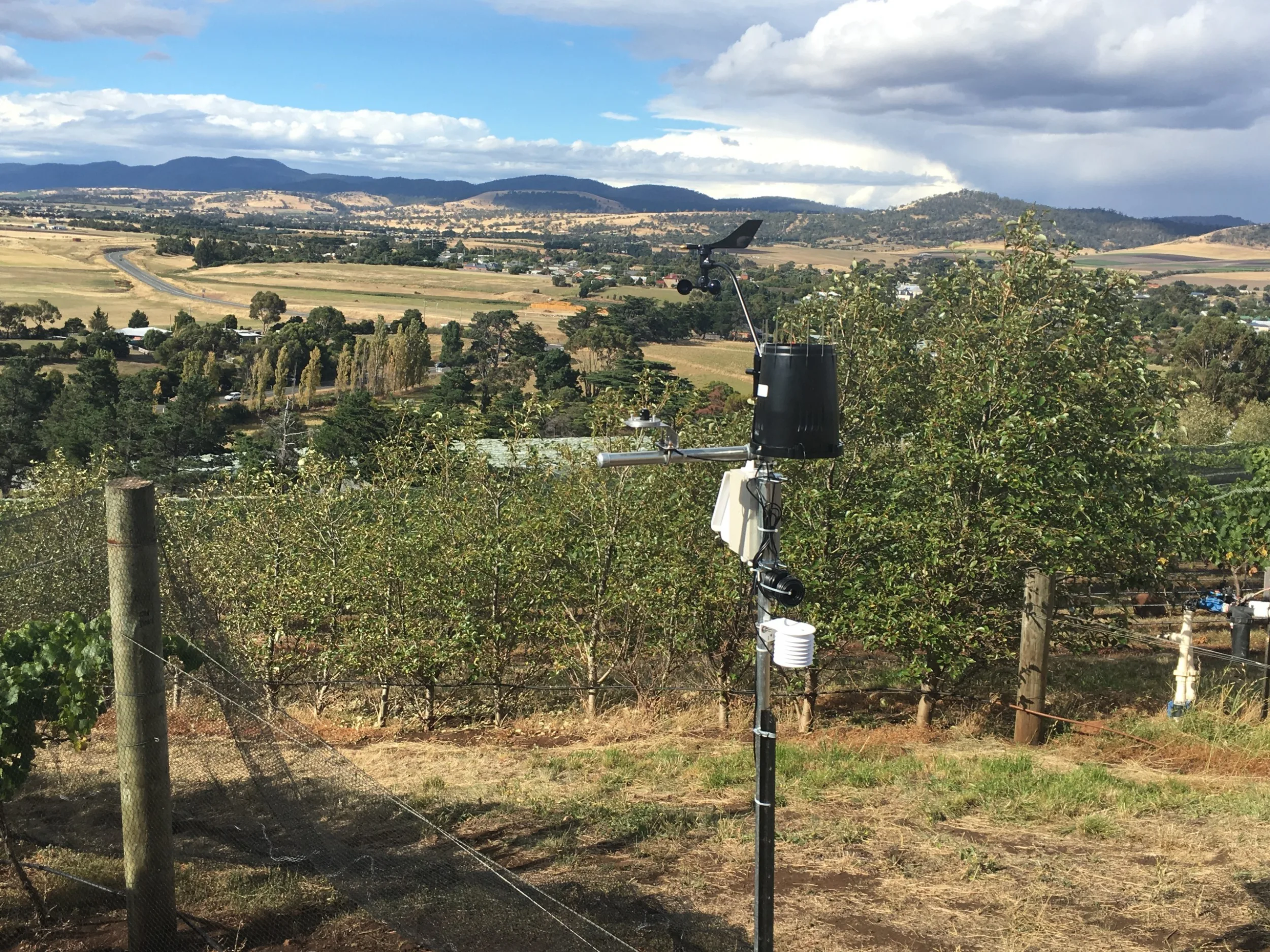
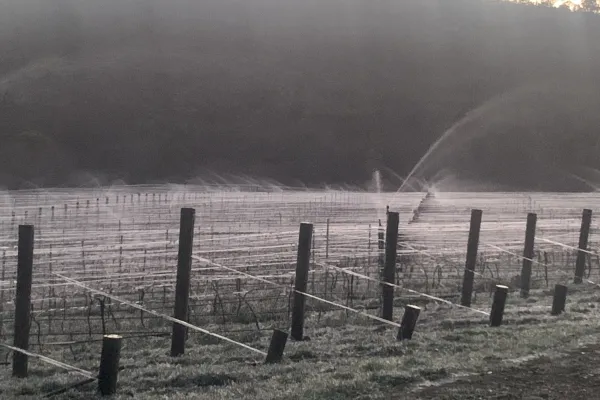
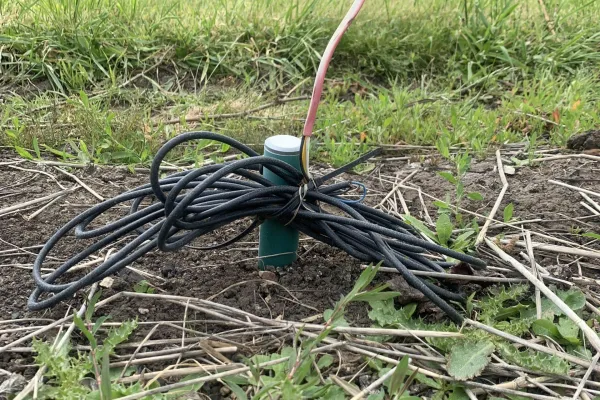
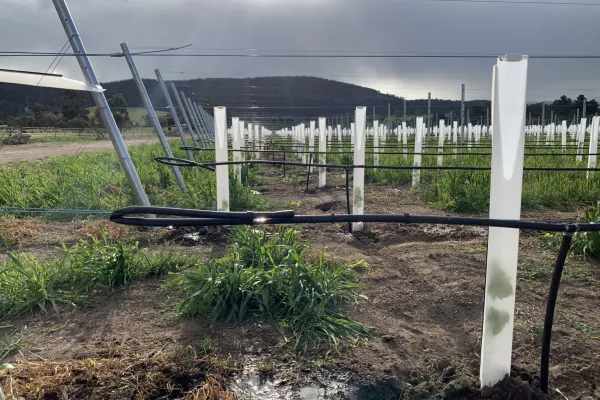
  • Installed automated irrigation, frost mitigation systems, radio telemetry, solenoid valve controllers, weather stations with live data, and soil moisture/salinity probes to navigate low rainfall, disease potential indicators and frost management issues.
  • Experimentation with innovative operational efficiencies
  • Tried reusing wine marc waste as compost to stimulate soil microbial activity. However, it was not enough to be an effective solution so instead, ~ 600 m3 of compost is delivered every 3-5 years.  
  • Ensured ongoing operational success and leading sustainability practices through systems maintenance, spare part, warranties, and professional staff training.
IMG 7395
IMG 2203
IMG 0062
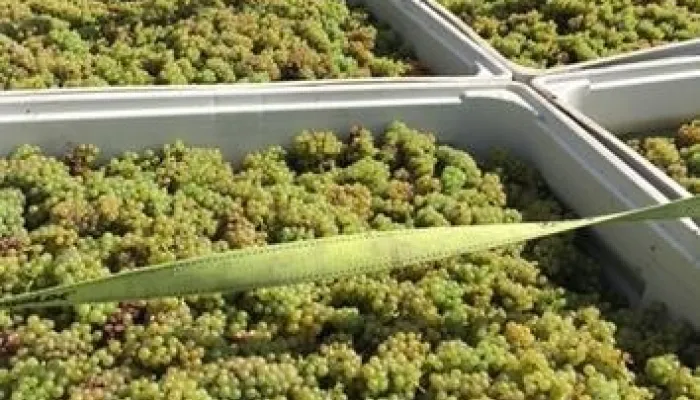
IMG 0043

Results

"You cannot manage what you don’t measure, so get the basics right first before integrating technology"

Understanding our soils’ moisture, and microbial activity was essential to guide biodynamic cover cropping and interrow practices.

Success required patience, thorough research, and a clear understanding of operational needs—there’s no one-size-fits-all solution.

“Tech helped mitigate seasonal risks and improve sustainability outcomes.”

Precision and adaptability are vital in viticulture; Automated systems for irrigation, weather monitoring, and pump control have streamlined operations across variable seasons and locations.

The weather stations and automated irrigation system has proven to be simple, reliable, and scalable across locations and data systems—supporting vineyard expansion.

“Return on agtech investment does not always stack up. It’s important to assess how useful is it and how will it support long term sustainability?”

Pooley Wines achieved Sustainable Wine Accreditation and Freshcare certification.

Pooley Wines has won WineTas’s VinZero, best management practice, award three times.

“There are lots of fact sheets and support tools, be proactive and understand your business’s footprint”

  • Fixed (upfront) costs, e.g. hardware approx.. $2,200 /ha, installation costs $3,000 /ha
  • Variable (ongoing) costs, e.g. subscriptions, $180 pa, Internet connection aprox. $600 pa
  • Irrigation tech saved up to 25% of daily planning time during peak season  
  • On average tech systems save us 8 hours per week.
  • The capital cost of new system or technology has been an ongoing expansion process not associated to a one-off purchase due to growth, repair and replacement of tech E.g. Tech maintenance costs approx. $1,500 pa., however this winter they’re approx.$3,500 as we are upgrading old/damaged components to extend the rolling lifespan of the tech, which is around 10-12 years"

What's Next?

  • Exploring agricultural solar to reduce dam evaporation..
  • Interested in biochar for soil health once the industry is more at scale.
  • Seeing potential of satellite insights for future precision agriculture applications. 
IMG 7406
IMG 7340
IMG 5555

Microsoft 365

  • Full suite of cloud-enabled apps including Outlook, Excel, Word, Teams, and OneDrive for storage and collaboration.
  • Supports secure file sharing, real-time co-authoring, and integration with other farm and business tools.
Estimated Cost

AUD9.00 / user / month for Business Basic (annual billing) 
AUD18.70 / user / month for Business Standard (annual billing) 
AUD32.90 / user / month for Business Premium (annual billing)

Google Workspace

  • Cloud-based productivity suite with Gmail, Drive, Docs, Sheets, and integrated collaboration features.
  • Enables easy sharing, editing, and access to documents across devices and users, with flexible subscription options.
Estimated Cost

~ AUD19.20 / user / month

Sentek – Drill & Drop

Measures moisture, salinity, and temperature

Easy to install and bury at any depth

Operates in wide temperature ranges (–20°C to 60°C)

Estimated Cost

≈ AUD 1,500-1,700 for a sensor node

AgLogic

Designs and supplies agricultural sensors, telemetry equipment, and integrated monitoring systems tailored to specific farming needs.
Offers customised sensing solutions to support data collection across diverse operations, enabling better environmental monitoring and management decisions.

Estimated Cost

N/A (quote required)