Tas Farm Innovation Hub Logo
Events & News
Events
News
Newsletters
Sponsorship & Opportunities
Resources Projects Agtech Guide About Us
Partners
Careers
Our Team
Cultural Engagement
Future Drought Fund (FDF)
Contact Us In-Drought Resources
Search Site
Facebook
Instagram
Youtube
LinkedIn
  • Home
  • Events & News
    • Events
    • News
    • Sponsorship & Opportunities
  • Resources
  • Projects
  • Agtech Guide
  • About Us
    • Partners
    • Careers
    • Our Team
    • Cultural Engagement
    • Future Drought Fund (FDF)
  • Contact Us
  • In-Drought Resources

Farmer AgTech Stories

Learn where and how Tasmanian farmers like you have implemented tech on their own farms, and their lessons learned for successful implementation.

Agtech guide Logo
Case studies
  1. Home
  2. Resources
  3. Agtech Guide
  4. Farmer AgTech Stories

Case Studies

Photo by Veronica White

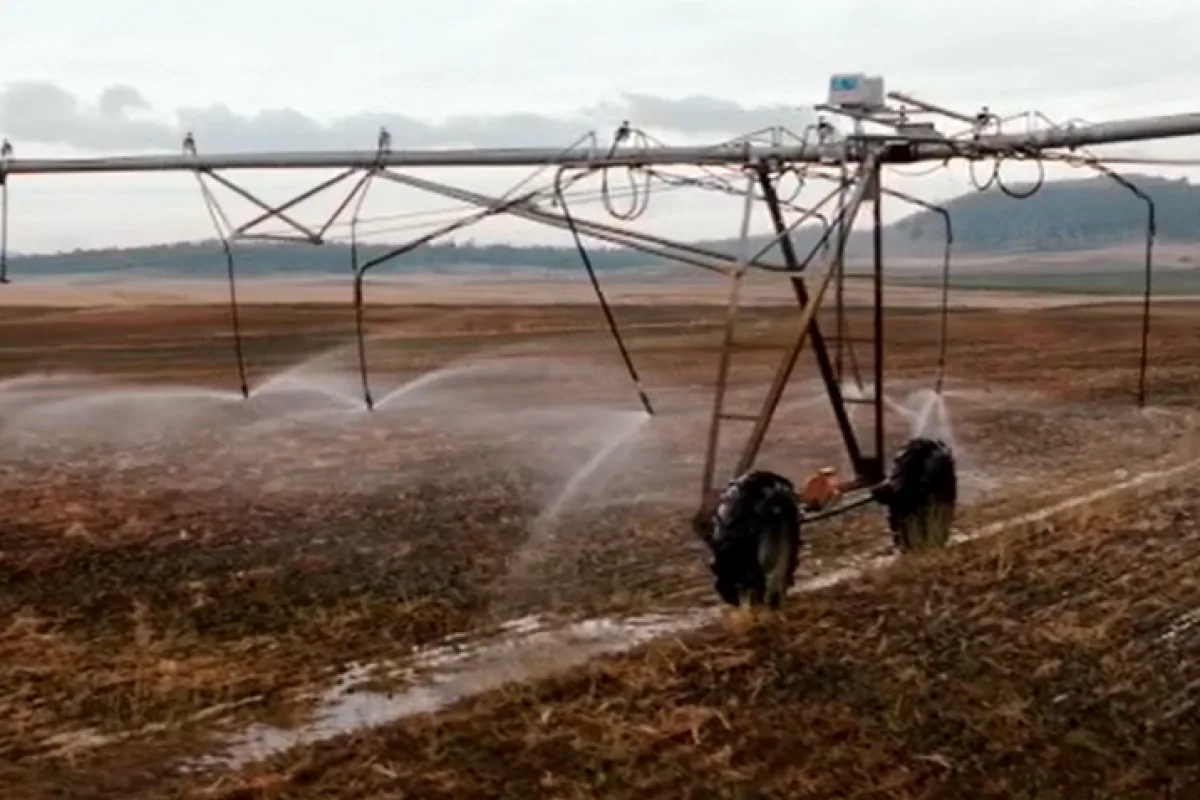
Connecting a farm

Will Bowden, a fifth-generation farmer in Tasmania, leveraged irrigation and digital tools to remotely control 17 pivots, pumps, and reservoirs, reducing downtime and improving water management.

Case Studies

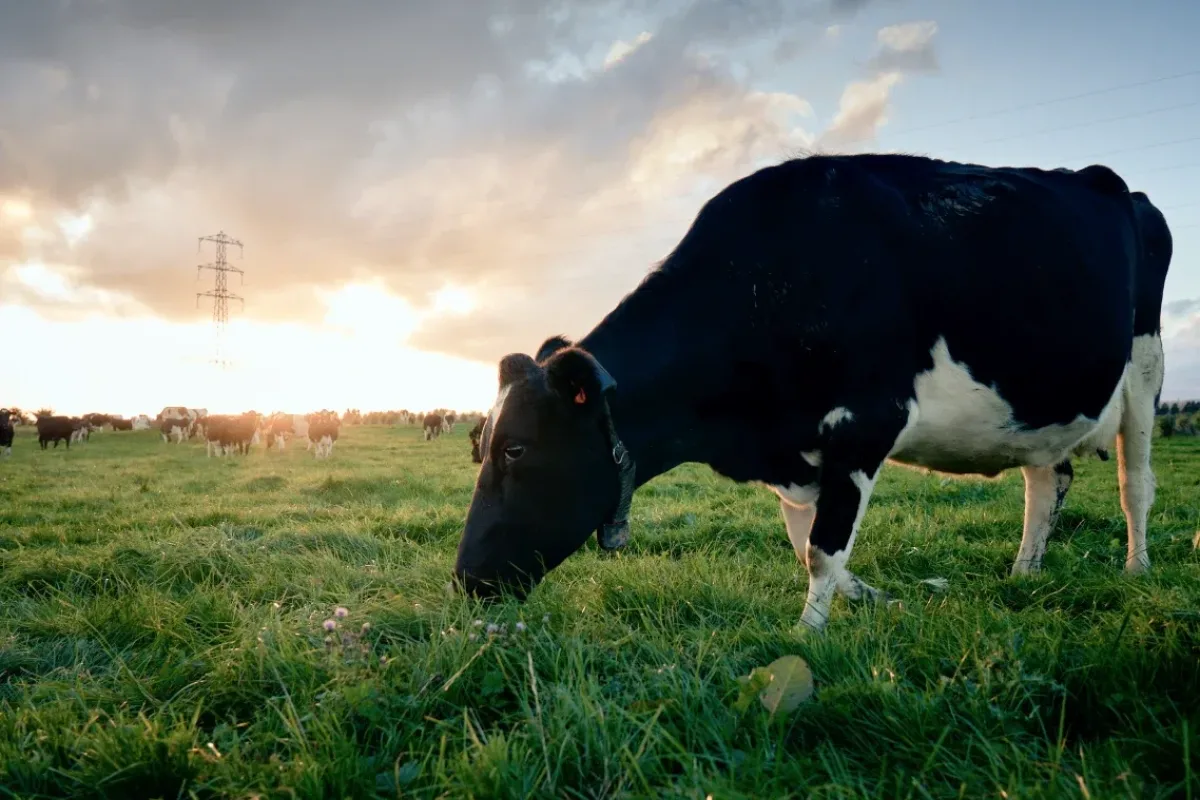
Cow with Halter Collar

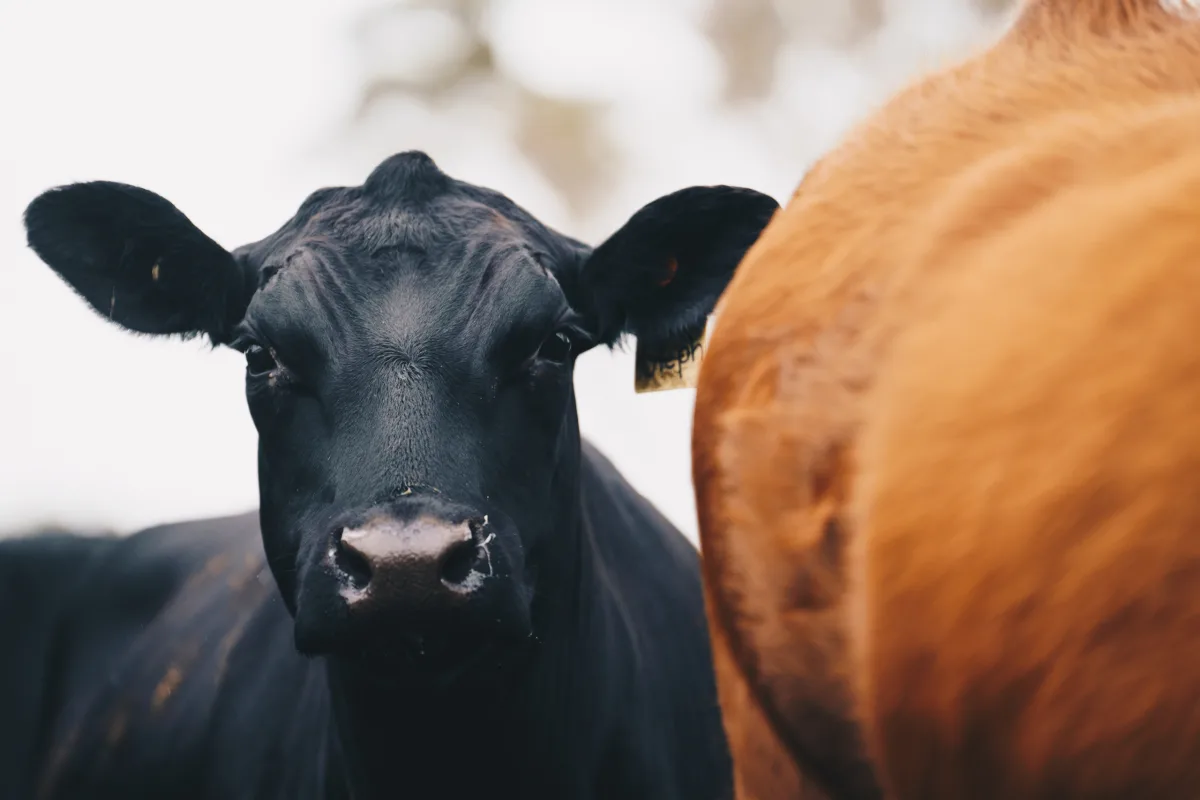
Adoption of Halter technology

Duncan McDonald, an early adopter of Halter cow collars, introduced virtual fencing to cut labour demands and now sees gains in milk yield, animal health, reproduction outcomes, and reduced costs.

Case Studies

IMG 7405

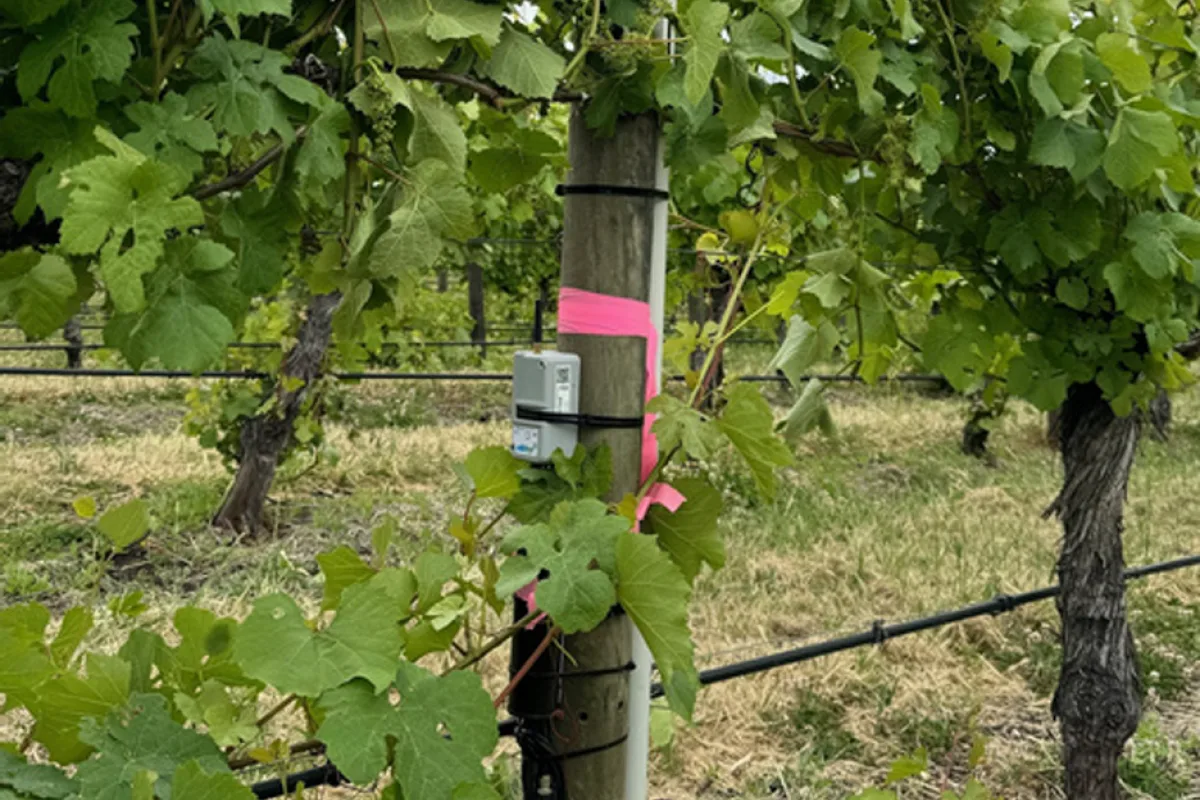
Pooley Wines - Sustainable production across two different sites and environmental factors

Pooley Wines is a premium wine producer in the Coal River Valley. They have integrated precision technologies to manage environmental variability across two distinct vineyard sites in Tasmania. By focusing on soil health, sustainability , and scalable systems, they’ve improved operational efficiency and reduced their environmental footprint. They highlight the importance of knowing your baselines, and assessing what technology is needed for long term sustainability and operational efficiency.

Case Studies

Simon Cafe Talk

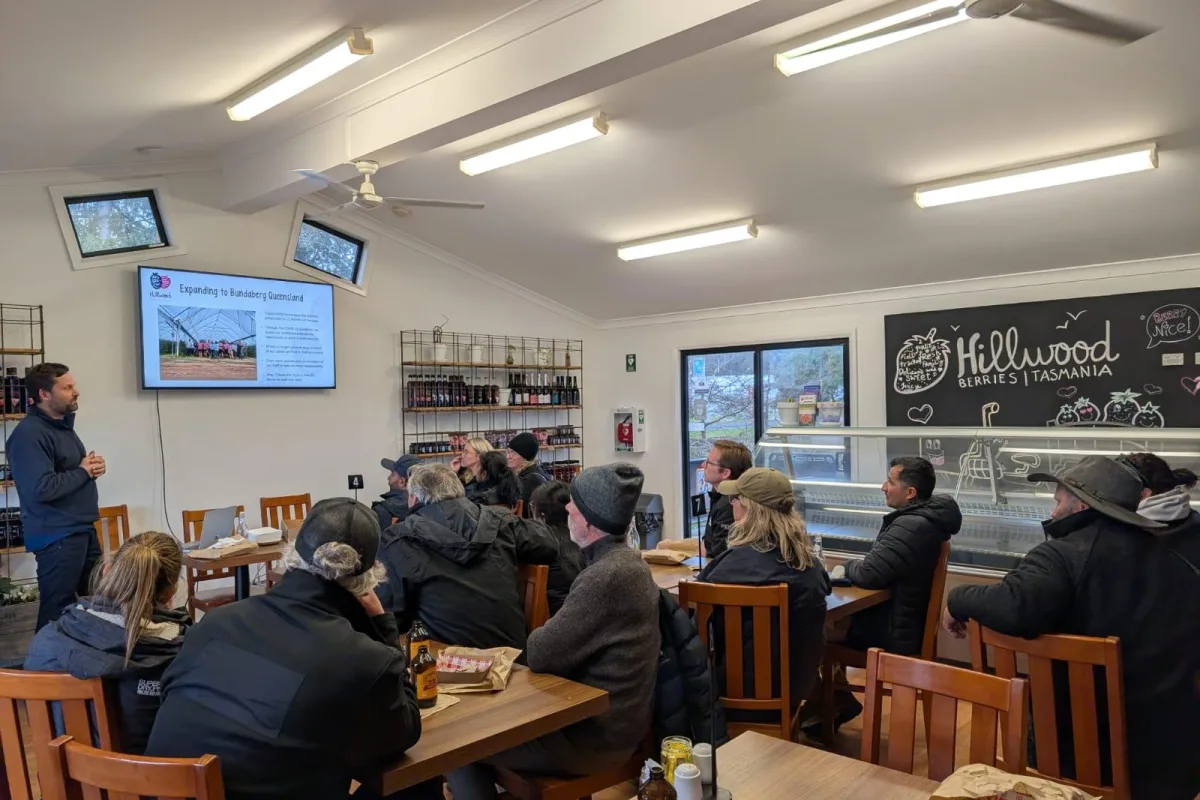
Hillwood Berries - Automated Operational Efficiencies

Hillwood Berries, a leading Tasmanian berry producer, has adopted autonomous transport and advanced data dashboarding to address rising labour costs, harvest waste, and sustainability challenges. The farm’s experience demonstrates how practical AgTech can reduce input costs, improve operational visibility, and create decision-making efficiencies without replacing human labour.

Case Studies

Screenshot 2026 01 19 104907

Drone spraying for vineyards

Drone spraying has enabled vineyards in Tasmania to spray earlier in the season without soil damage, improve timeliness, and free up labour for other tasks. Using a commercial drone operator provides speed, flexibility, and access to advanced equipment without the upfront investment.

See TAPG's Case Study Here

*This project was delivered by the Tasmanian Agricultural Productivity Group (TAPG) and supported through funding from the Strategic Industry partnership Program (SIPP). 
 

Case Studies

Josef Wild Eye

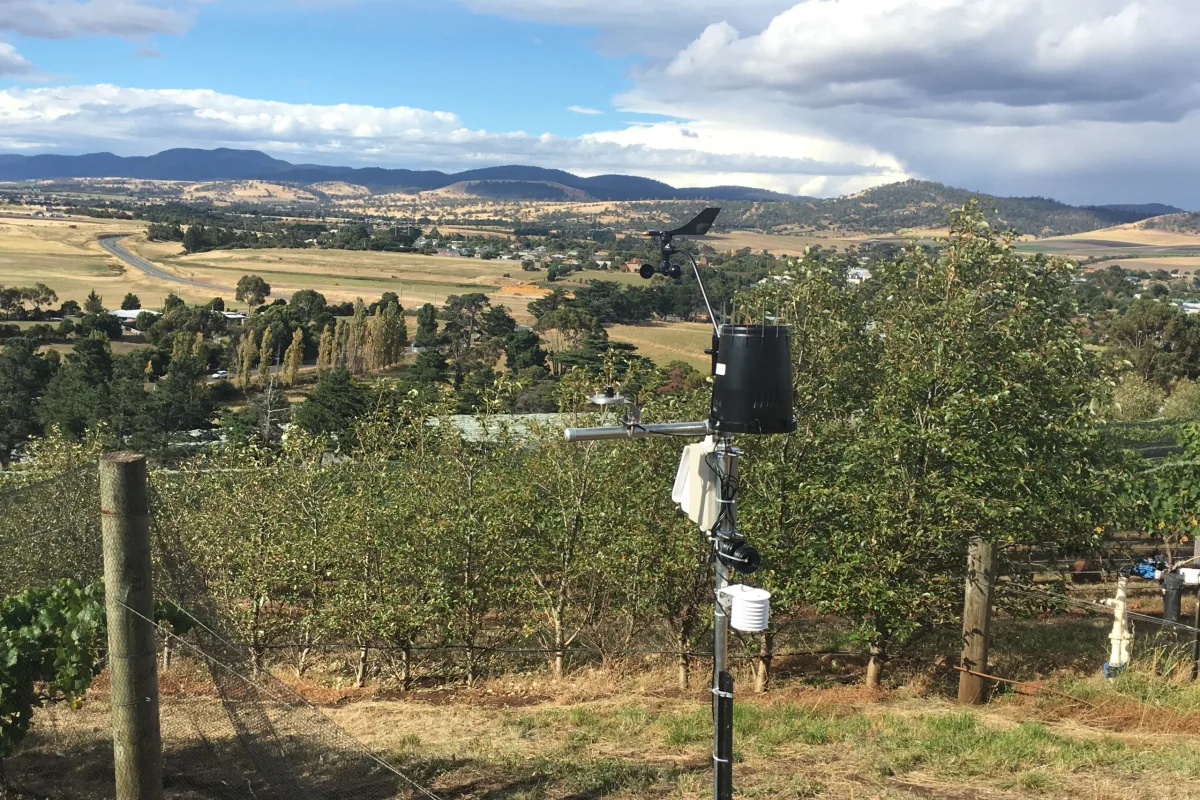
Agtech for vineyard irrigation management

Integrating multiple agtech platforms has improved irrigation scheduling, vine health, and long-term sustainability at Josef Chromy Wines’ Relbia vineyard. Real-time data and system integration have reduced guesswork, increased efficiency, and supported higher-quality grape production.

*This project was delivered by the Tasmanian Agricultural Productivity Group (TAPG) and supported through funding from the Strategic Industry partnership Program (SIPP).

Case Studies

Photo by Rachel Kucera

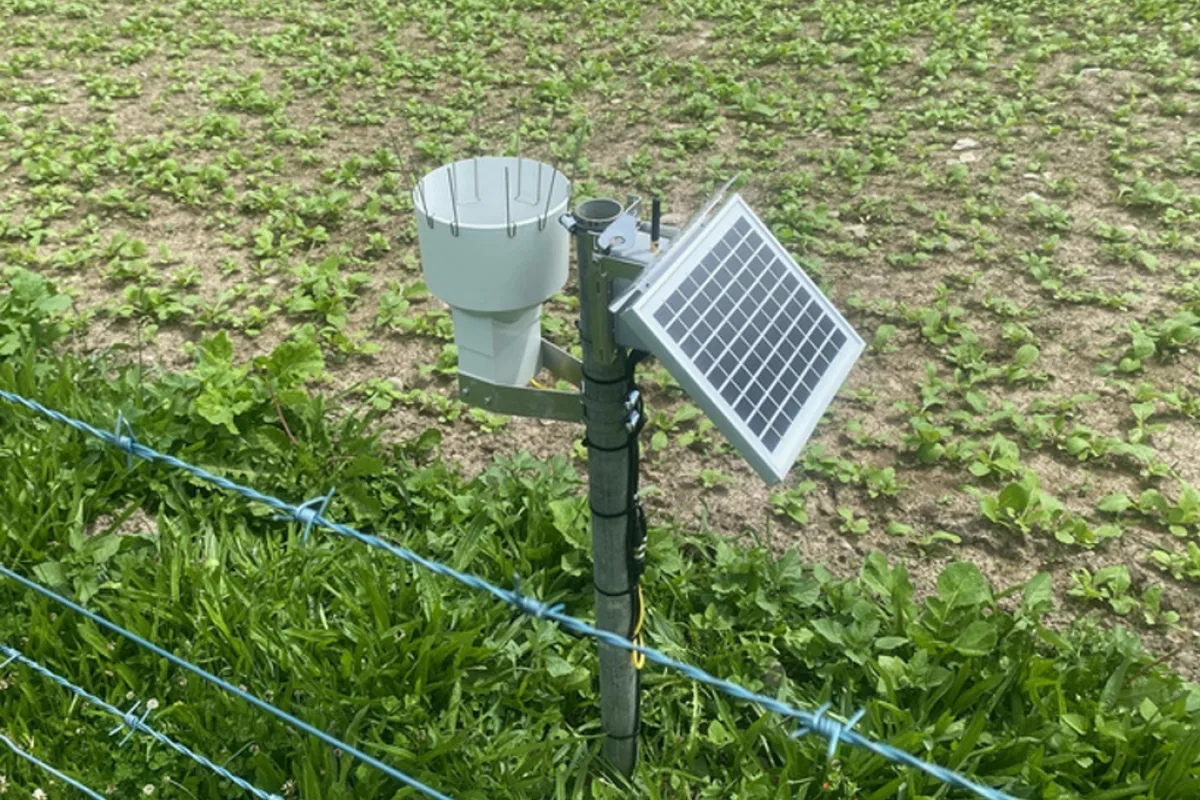
Integrated Connectivity, Data and Irrigation Systems

Integrating data systems, full-farm connectivity, and monitoring technologies can improve operational efficiency, decision-making, and resource management, as one example from a diversified dairy, livestock & cropping farm shows.

Case Studies

Thumbnail

Variable Rate Application – the basis of an agtech adoption journey

Variable Rate Application (VRA) technology can effectively reduce fertiliser costs, improves yields, and address paddock variability through targeted, data-driven input application.

Case Studies

Tole Cressy CS

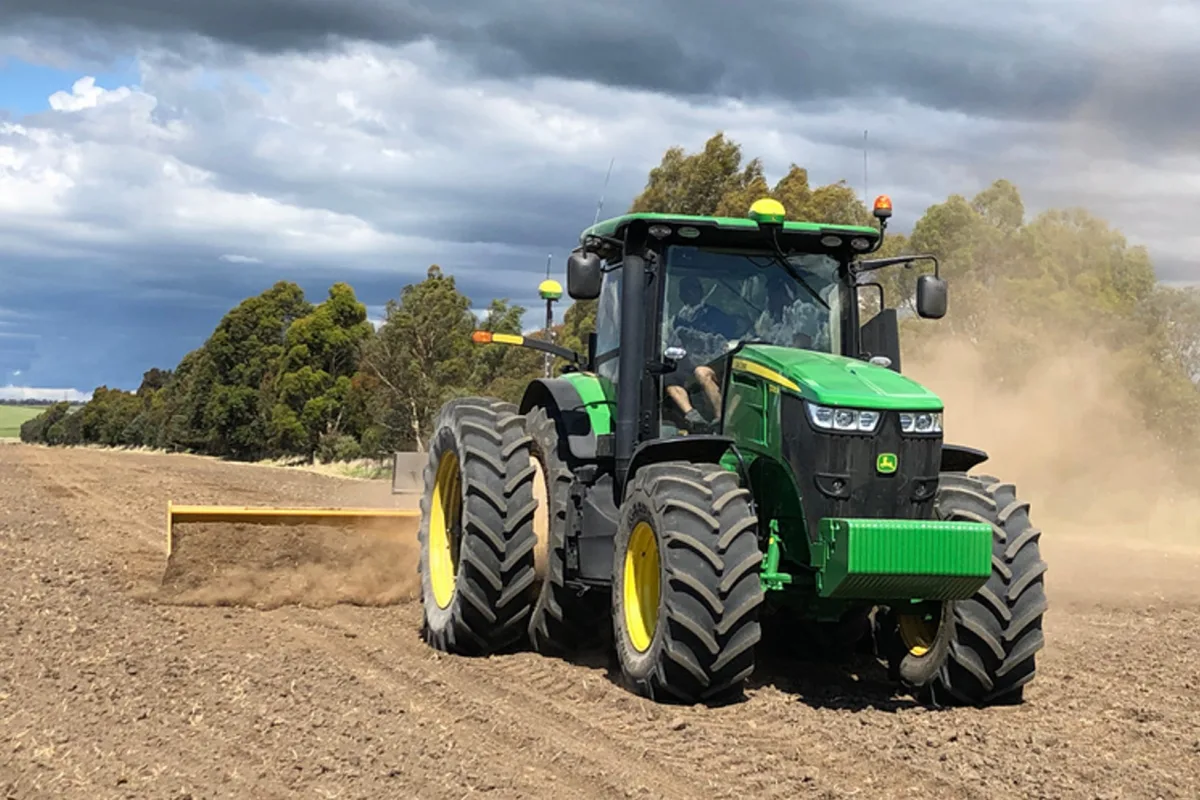
An AgTech adoption journey

An integrated AgTech approach — combining mapping, precision land forming, guidance, and monitoring — can address drainage, nutrient, and irrigation inefficiencies on variable soils.

*This project was delivered by the Tasmanian Agricultural Productivity Group (TAPG) and supported through funding from the Strategic Industry partnership Program (SIPP).

Case Studies

Scott Probe CS

Soil moisture monitoring for improved pasture production

Soil moisture monitoring can clarify when and how much to irrigate by providing real-time insight into soil water dynamics, enabling better pasture management decisions.

*This project was delivered by the Tasmanian Agricultural Productivity Group (TAPG) and supported through funding from the Strategic Industry partnership Program (SIPP).

Case Studies

Ratho Irri CS

Water on and water off – precision drainage for improved crop production

Waterlogging that impacts crop performance and increases labour demands can be effectively addressed using precision surface drainage with impressive returns.

*This project was delivered by the Tasmanian Agricultural Productivity Group (TAPG) and supported through funding from the Strategic Industry partnership Program (SIPP).

Case Studies

THUB King Island24 41

Using animal data to drive better decision-making

Aiden Coombe adopted digital farm management tools (e.g., Stockbook with AgriWebb), enabling improved monitoring and faster issue detection.

Subscribe to Newsletter

Funding

This program received funding from the Australian Government’s Future Drought Fund.

The Australian Government is contributing $12.4 million over 4 years through the Future Drought Fund under various grants. Hub partners and the University of Tasmania will provide co-contributions of an amount at least equal to the Australian Government funding over the same period.

Government Logos

Acknowledgement of Country

We acknowledge the Tasmanian Aboriginal people, the traditional custodians of the land upon which we live and work. We honour their enduring culture and knowledges as vital to the self-determination, wellbeing and resilience of their communities.

Contact

fdf.tas.hub@utas.edu.au

(03) 6334 3295

Authorised by Tasmanian Drought Resilience Adoption and Innovation Hub 2025

Forms on this website are protected by reCAPTCHA

Social

Facebook
Instagram
Youtube
LinkedIn

Copyright 2025–2026 © Tas Farm Innovation Hub All rights reserved

Website crafted by Walker Designs