Resources

Connecting a farm
Will Bowden, a fifth-generation farmer in Tasmania, leveraged irrigation and digital tools to remotely control 17 pivots, pumps, and reservoirs, reducing downtime and improving water management.
Case Studies
Name
Scott Atkins
Location
Meander Valley
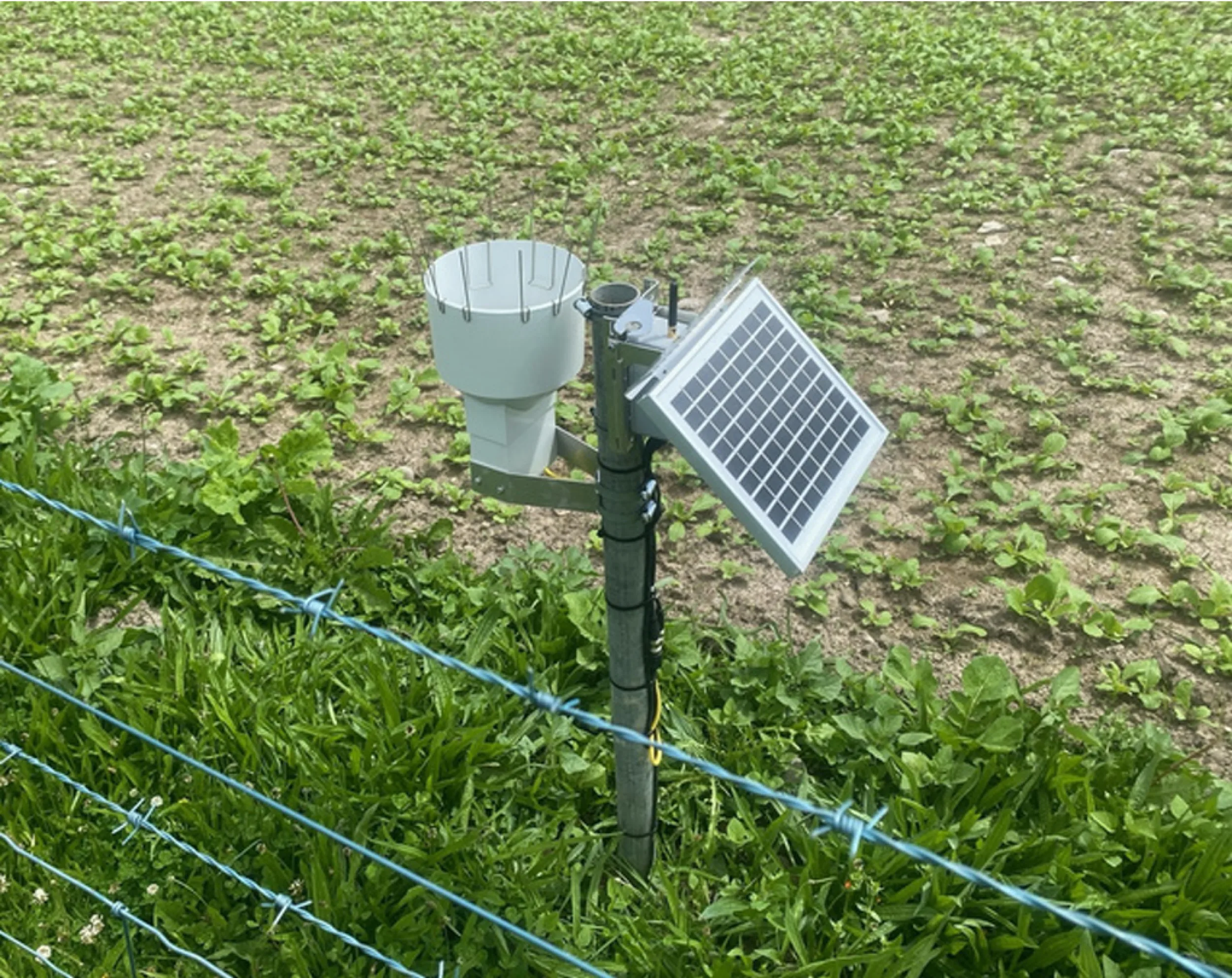
Scott Atkins operates a 480-hectare irrigated dairy business in Tasmania’s Meander Valley, across three properties with variable duplex soils and drainage challenges. To improve pasture productivity and water use efficiency, Scott installed a soil moisture probe with temperature sensors and a rain gauge to better understand soil moisture behaviour and improve irrigation decisions over time.
*This project was delivered by the Tasmanian Agricultural Productivity Group (TAPG) and supported through funding from the Strategic Industry partnership Program (SIPP).

Improved understanding of soil water dynamics, particularly when to start irrigating in spring and how soils with different drainage respond.
More confidence in decisions about timing and amounts of water, with less reliance on rules of thumb.
Scott believes that, with well managed and timed irrigation applications it should be possible to extend the productive growing season of the pasture rather than it going into the reproductive phase too early, extending pasture lifetime over time.
The probe is now used to validate decisions and highlight key management points through the season.
While still too early for initial data on changes to water use or pasture yield, Scott is optimistic the new system will drive better management of soil moisture for improved pasture production.
The initial costs for the new system were $3295 ($2995 purchase price and $300 for installation), plus $300/year in subscription costs and $30 in estimated maintenance. The estimated lifespan of the system is 10 years.