Name
Richard Gardner, Annandale Dairy & FarmPulse Co-Founder

Location
Midlands

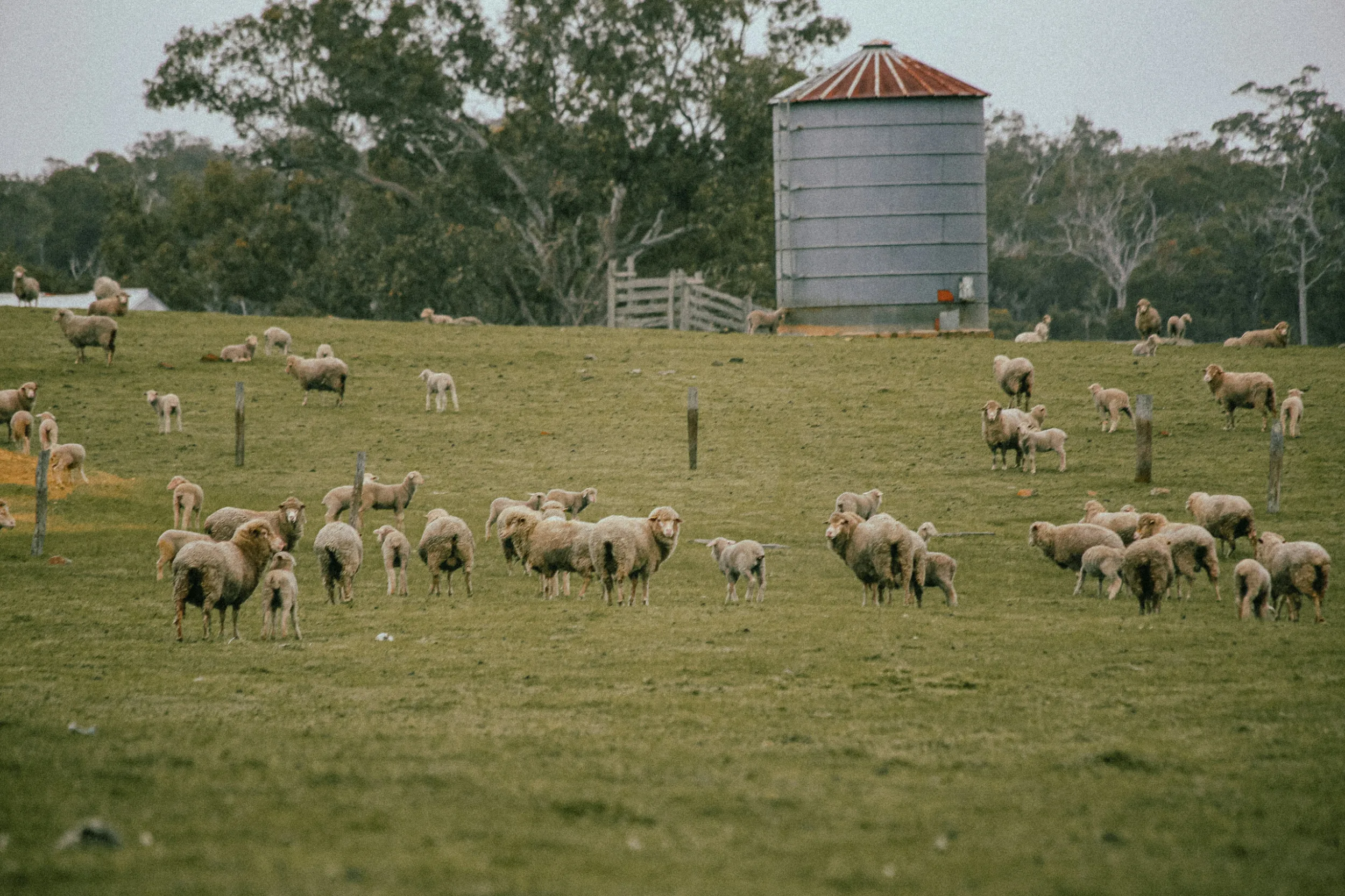
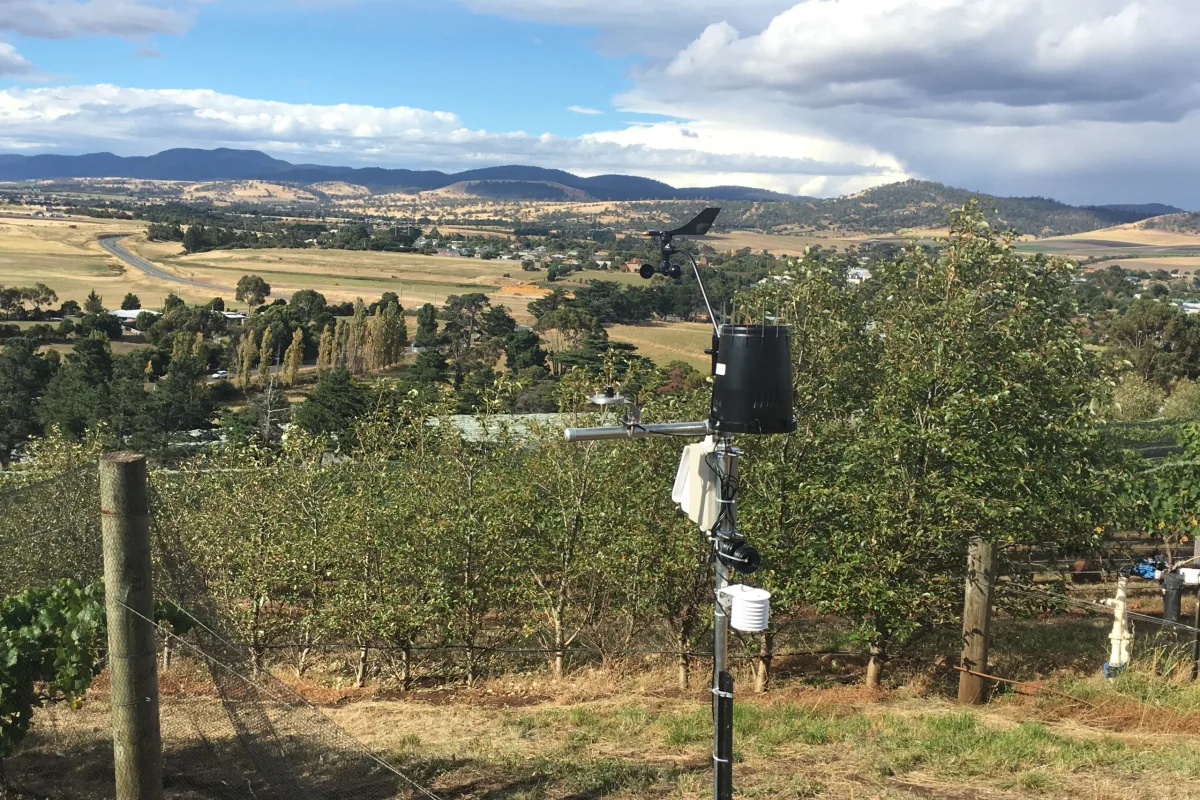
A 64-hectare mixed farming and dairy operation in northern Tasmania, with rolling hills and variable soils, adopted an integrated agtech approach to improve data visibility, irrigation management, and operational efficiency. As a Co-Founder of FarmPulse, Richard has been at the forefront of integrating ag tech solutions to improve operational efficiency, data visibility, and decision-making across his 64-hectare property. The farm combined full-farm Wi-Fi, real-time dashboards, water and energy monitoring, and inventory tracking to address the complexity of managing multiple enterprises and to make better-informed decisions.


Hear Richard's story in the video below

*Please note this case study was developed by BitLink as part of Bitlink's Internet of Things education resources. You can learn more about our kits and resources at bitlink.com.au

What was the challenge?

  • Limited connectivity and fragmented data systems made it difficult to monitor and manage irrigation, inventory, and performance across enterprises.
  • Variable soils and topography complicated irrigation decisions, and existing tools generated too much data without actionable insight.
  • A need to improve operational efficiency and resource use prompted investment in integrated, farmer-friendly technology.

What was the process?

  • Installed full-farm Wi-Fi infrastructure to connect sensors, pivots, and data platforms.
  • Implemented the FarmPulse platform with customised dashboards per enterprise, integrating evapotranspiration and soil moisture data with direct sensor communication.
  • Added water meters to every pivot and site, energy and water flow monitoring, drainage mapping, and QR-coded inventory tracking through Smartsheet, with plans to transition to PowerBI.
  • Deployed additional tools such as body condition cameras, pasture measurement devices, and NDVI for crop monitoring.

Results

Improved visibility of irrigation and resource use, enabling more precise and timely decisions. 

Reduced inefficiencies and improved profitability across enterprises, with estimated ROI of 1–3 years for most technologies. 

Connectivity was foundational to successful full-farm wifi enabled seamless data flow, while integrated data and user-friendly dashboards drove the insights required to streamline operations.

Identified limitations with some vendor-locked systems, underscoring the importance of flexible, scalable solutions.

Initial ROI estimates indicate positive results with short-term (avg. 3-5 year) payback:
  • Farm wifi infrastructure: $20-30k upfront cost, $0 annual cost, est. 2-3 years payback period
  • Water meters on pivots: $500-1k/site upfront cost, $0 annual cost, est. 1-2 years payback period
  • Smartsheet System: $1.5k-3k upfront cost, $500-1k annual cost, payback period TBC (as foundational system, rather than direct return) 
  • Weighbridge: $50k+ upfront cost, minimal annual cost, est. 3-5 years payback period 
  • Body condition camera: $10k+ upfront cost, minimal annual cost, locked-in to vendor (limits ROI).
     

Other Case Studies

Resources

IMG 7405

Pooley Wines - Sustainable production across two different sites and environmental factors

Pooley Wines is a premium wine producer in the Coal River Valley. They have  integrated precision  technologies to manage environmental variability across two distinct vineyard sites in Tasmania. By focusing on soil health, sustainability , and scalable  systems, they’ve improved operational efficiency and reduced their environmental footprint. They highlight the importance of knowing your baselines, and assessing what technology is needed for long term sustainability and operational efficiency.